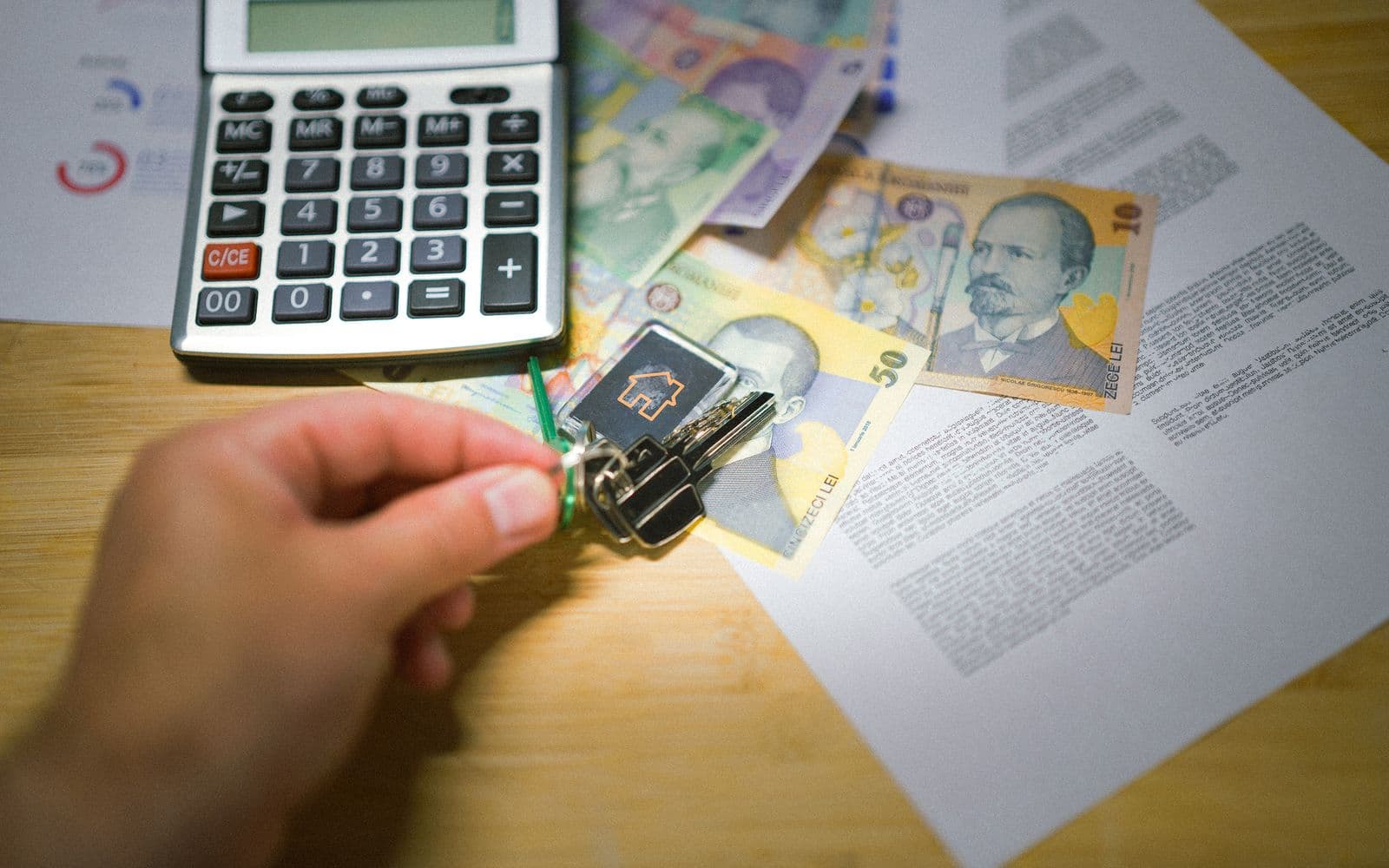
Different scams, same pressure
Rental scams, title fraud, and mortgage fraud look different, but the emotional rhythm is similar: move fast, trust me, do not ask too many people, send money, sign now, ignore the odd detail. The defence is to slow the transaction down and verify outside the channel where the pressure is happening.
FCAC explains real estate fraud through title fraud and mortgage fraud, often involving identity theft or false information. Rental scams usually work through fake listings, fake landlords, stolen photos, deposits before verification, and pressure to avoid normal viewing or paperwork.
Verify people, property, and money separately
Do not verify a transaction only through the person asking for money. Check professional licences through the relevant regulator. Check the address and listing photos. Use a lawyer or notary for purchase and title questions. Use official lender, broker, and realtor channels. If someone asks you to lie on a mortgage application, that is not a shortcut; it is mortgage fraud risk.
| Risk | What to ask | Who confirms it |
|---|---|---|
| Rental deposit | Have I seen the unit or verified legal authority to rent it? | Landlord, property manager, tenancy authority |
| Title | Does the person signing have authority and ID? | Lawyer/notary |
| Mortgage | Is every income, debt, gift, and occupancy statement true? | Lender/broker/lawyer |
| Recovery | Where do I report and freeze the damage? | Bank, police, CAFC, credit bureaus |
Report even if you feel embarrassed
Fraud works partly by making people feel foolish. Report anyway. Contact your bank, local police, the Canadian Anti-Fraud Centre, relevant professional regulator, credit bureaus, and your lawyer or insurer depending on the type of fraud. The faster you act, the more options you may preserve.
The warning signs are usually ordinary
Most housing fraud does not announce itself with dramatic villainy. It looks like a landlord who is travelling, a seller who is "in a hurry," a broker who says everyone rounds income, a contractor who wants cash before paperwork, or a fake recovery agent who claims they can get your lost money back if you pay another fee.
Watch for pressure to bypass normal verification: no viewing, no lease, no lawyer, no official email, no regulator check, no time to think, no independent payment trail. Watch for payment methods that are hard to reverse. Watch for documents sent as screenshots when originals should exist. Watch for anyone who discourages you from calling the bank, lawyer, regulator, landlord, building manager, or official program office.
Fraud prevention is not cynicism. It is hygiene. Good professionals expect verification. Good sellers, landlords, builders, lenders, brokers, and lawyers are not offended by normal checks.
Protect your identity as part of the housing file
Housing transactions ask for sensitive information: ID, employment letters, bank statements, tax documents, credit checks, SIN in some legitimate contexts, and proof of down payment. That information can be abused if it goes to the wrong person. Send documents only through channels your lender, lawyer, broker, or platform confirms. If a stranger from a listing asks for your full identity package before you have verified the property and relationship, pause.
Title fraud and mortgage fraud often depend on identity misuse or false documents. Keep copies of what you signed, monitor credit, protect email accounts with strong authentication, and be suspicious of last-minute payment instruction changes. If wire instructions change, verify by calling a known number, not the number in the suspicious email.
When in doubt, slow down and bring in an independent professional. Fraud thrives in isolation.
Before you move forward
Housing Risk & Decision Kit
One printable kit for this batch: offer/appraisal gaps, new builds, rural due diligence, retrofits, climate risk, fraud, and mortgage renewal.
Open the kit- Financial Consumer Agency of Canada: Real estate fraud
Title fraud, mortgage fraud, identity theft, prevention, and reporting. - Canadian Anti-Fraud Centre
National fraud information and reporting resources.
Sources
- Financial Consumer Agency of Canada: Real estate fraud. Title fraud, mortgage fraud, identity theft, prevention, and reporting.
- Canadian Anti-Fraud Centre. National fraud information and reporting resources.


Comments