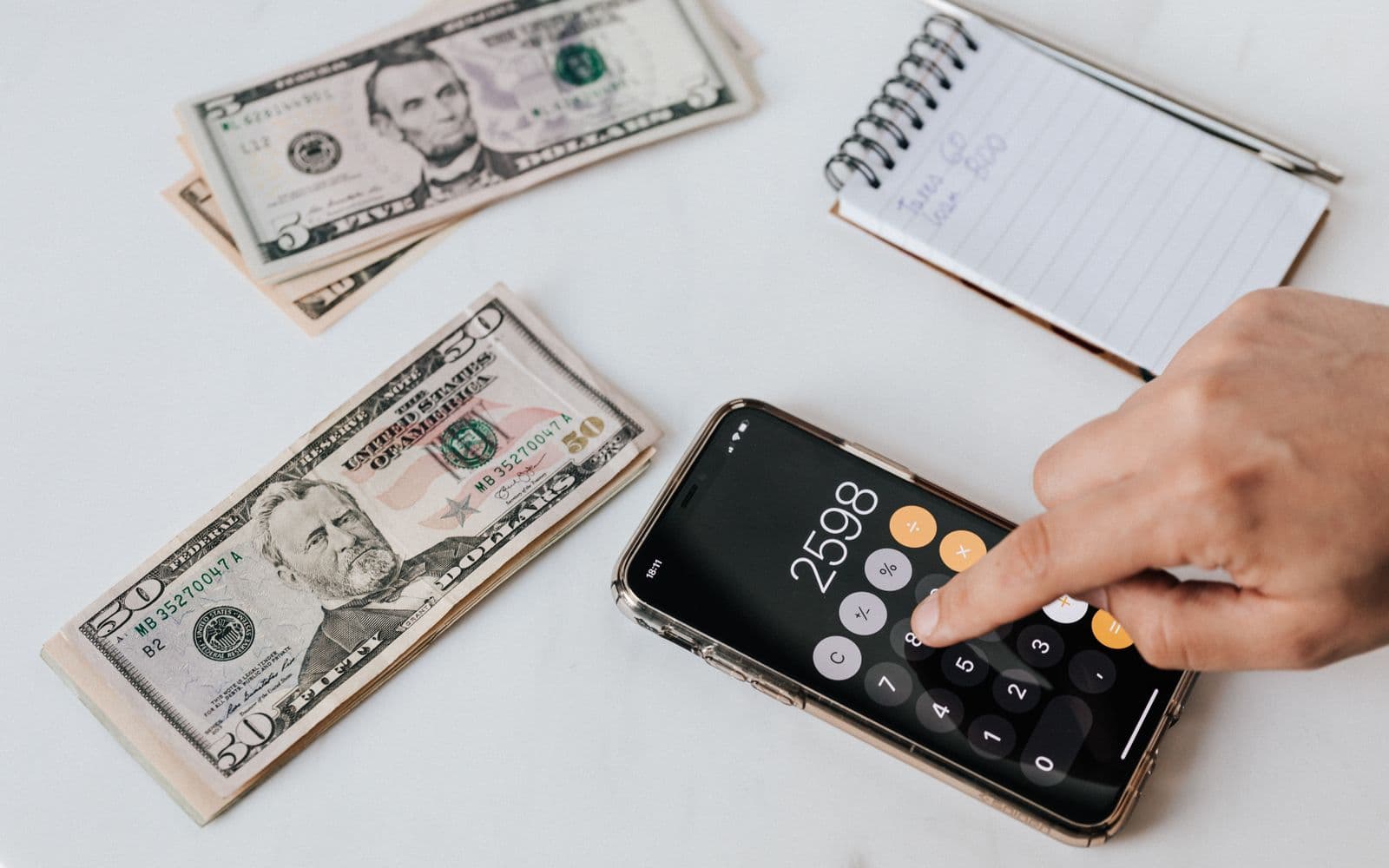
You do not need a fortune to start investing. You need one clean first move: money you can leave alone, an account that does not eat the $100 in fees, a boring diversified investment, and a habit that keeps firing after the novelty wears off.
This guide is general information, not individualized financial, tax, legal, or investment advice. Investing involves risk, including the possible loss of money. Account rules, taxes, protections, contribution limits, and product access differ by country, province, state, income, age, and institution. Use this as a first method, then verify the current rules where you live before moving money.
The internet has made investing look both easier and stranger than it is.
On one side, there are people telling you that $100 is pointless. You are supposed to wait until you have "real money," which somehow always means later, after the next life expense has finished chewing through your plans.
On the other side, there are people treating $100 like a lottery ticket with a brokerage login. Buy this coin. Buy this option. Copy this influencer. Ten times your money before lunch. Freedom by Thursday. A little rocket-ship confetti, a little "not financial advice," and suddenly your first investing lesson is not investing at all. It is gambling with better typography.
Ignore both rooms.
Your first $100 is not supposed to make you rich. Its job is to teach your hands the shape of the machine: how to open the right account, how to choose a simple investment, how to check fees, how to avoid scams, how to automate a small habit, and how to leave the money alone when the market starts making weather.
The first $100 is tuition. Done well, it also stays invested.
Do not invest money needed for rent, groceries, bills, medication, debt minimums, or near-term emergencies. Set aside one first $100 you can leave alone for at least five years. Choose the account first, not the hot investment: use a registered or tax-advantaged account when it fits, or a basic taxable brokerage account when it does not. Use a regulated firm, check fees, and avoid any platform or person promising guaranteed returns. For the first investment, favour a broad, low-cost diversified fund over individual stock picking. Then automate a tiny recurring contribution, write down your rules, and review on a calendar instead of every time the market coughs.
Part One: Pass the "Should I Invest Yet?" Test
Investing is for money with time.
That sounds obvious until a person invests next month's rent because a chart looked persuasive, or sends emergency savings into a stock because "cash is losing to inflation," or buys something volatile with money needed for tuition in August.
Before the first $100 moves, run the gate test.
| Question | Green light | Yellow light | Red light |
|---|---|---|---|
| Are required bills current? | Yes. | One tight bill coming. | Behind on essentials. |
| Do you have any emergency cash? | At least a starter buffer. | Building one now. | No buffer at all. |
| Is high-interest debt under control? | No high-interest debt, or a plan is running. | Debt exists but minimums are safe. | Missing payments or borrowing for basics. |
| When do you need this money? | 5+ years. | 2 to 5 years. | Less than 2 years. |
| Can you emotionally leave it alone? | Probably. | Unsure. | You will need it back if it drops. |
If you hit a red light, your first move may not be investing. It may be building a budget that survives real life, or building the first emergency fund wall. That is not failure. Cash is not cowardice when it is protecting rent.
Invest long money. Save short money. Short money is rent, tuition, moving costs, taxes, an upcoming trip, a car repair, emergency savings, and anything with a deadline close enough to bite. Long money is retirement, future independence, a home goal many years away, or wealth-building money you can leave alone while markets rise, fall, panic, recover, and act like markets.
The SEC's investor education material says asset allocation depends on time horizon and risk tolerance, and that risk tolerance includes your ability and willingness to lose some or all of the original investment in exchange for potentially greater returns. Canada's financial consumer guidance similarly tells investors to consider their financial situation, goals, time horizon, and risk tolerance before investing.
Do this now: This $100 is for: ______________________________.
I do not need it before: ______________________________.
If the date is soon, stop. Put it in savings. The market is not a storage closet for money with a deadline.
Part Two: Give the First $100 One Job
The first $100 cannot do every job.
It cannot be an emergency fund, a down payment, a retirement plan, a vacation account, a debt strategy, and a casino chip. Small money becomes powerful when it has one assignment.
| Job | Best account direction | First investment style |
|---|---|---|
| Learn the mechanics. | Basic brokerage or practice-sized registered account. | Broad diversified fund. |
| Retirement. | Tax-advantaged retirement account if eligible. | Broad stock or balanced fund. |
| Medium-long goal, 5+ years. | Tax-advantaged or taxable account. | Balanced fund or conservative allocation. |
| Child education. | Education account where applicable. | Age or time-horizon based fund. |
| "I just want to pick stocks." | Tiny separate learning sleeve. | Individual stocks capped at a strict amount. |
That last line matters. Some people are going to pick individual stocks no matter how many sensible adults stand in the doorway with clipboards. Fine. But do not confuse stock picking with the core plan.
Use the split: core first, curiosity second.
| Sleeve | Amount | Purpose |
|---|---|---|
| Core investment. | $90 | Broad diversified fund. |
| Learning sleeve. | $10 | Optional individual stock or research practice. |
| Gambling sleeve. | $0 | No options, leverage, meme trades, crypto signals, or borrowed money. |
The $10 learning sleeve is not there because it is optimal. It is there because curiosity left unsupervised will chew through the plan. Give it a dish, not the whole kitchen.
Part Three: Pick the Account Before the Investment
Beginners often ask, "What should I buy?"
The better first question is, "Where should this money live?"
An investment account is the container. The fund, stock, or bond is the thing inside the container. The same investment can behave differently after taxes depending on the account. The same account can be good or bad depending on fees, eligibility, withdrawal rules, and whether you understand what you are opening.
| Account type | What it is for | Watch out for |
|---|---|---|
| Employer retirement plan. | Retirement saving, often with payroll contributions. | Investment menu, fees, vesting, withdrawal rules. |
| IRA, Roth IRA, RRSP, TFSA, FHSA, or similar registered account. | Tax-advantaged investing where eligible. | Contribution room, income rules, penalties, tax treatment. |
| Education account. | Future education costs. | Eligible expenses, beneficiary rules, tax rules. |
| Taxable brokerage account. | Flexible investing outside special accounts. | Taxes on dividends, interest, and capital gains. |
| Robo-advisor or managed account. | Help choosing and maintaining a portfolio. | Advisory fee plus fund fees. |
| Self-directed brokerage. | You choose and place investments yourself. | Requires more care and fewer impulse clicks. |
For Canadian readers, CRA pages should be checked for current TFSA, RRSP, and other registered-account contribution rules before contributing. The CRA's TFSA guidance tells people to verify contribution room and warns that contribution-room records update on a schedule. For U.S. readers, IRS contribution limits and eligibility rules for IRAs and workplace plans change over time and should be checked before contributing.
Do not memorize this year's limit from a blog post and tattoo it onto your calendar. Limits change. Your income changes. Your pension adjustment, employer plan, age, residency, and filing status can change the answer.
Use articles to understand the machine. Use official sources to confirm the number.
The first-account default
For many beginners, the clean first route is one of these:
- Workplace retirement account up to the match, if your employer offers one and the plan is appropriate. A match is part of your compensation.
- A tax-advantaged individual account, if you are eligible and understand the contribution and withdrawal rules.
- A basic taxable brokerage account, if tax-advantaged accounts do not fit yet or you need a flexible learning account.
The wrong route is sending money to a stranger, app, group chat, "private opportunity," or miracle platform before checking whether the firm is registered.
Check the firm
Use CSA registration tools
The Canadian Securities Administrators say registration matters because securities professionals must register with regulators where they do business. Use CSA's "Are They Registered?" workflow before investing with a person or firm.
Use Investor.gov and BrokerCheck
Investor.gov warns that unlicensed, unregistered people commit much investment fraud in the U.S. Check an investment professional through Investor.gov, SEC IAPD, or FINRA BrokerCheck.
This is not paranoia. It is seatbelts. Seatbelts are only dramatic when you wait until the ditch.
Part Four: Choose the First Investment
Now we can ask what to buy.
For a beginner investing $100, the goal is not to build a complicated portfolio. The goal is to avoid concentration, avoid silly fees, and avoid turning the account into a boredom-powered arcade.
Diversified. It holds many investments, not one company.
Low-cost. Fees do not quietly chew the small account.
Appropriate risk. It fits your time horizon and panic level.
Easy to repeat. You can buy more without rethinking your life.
For many people, that points toward a broad index mutual fund, broad ETF, or all-in-one balanced fund. Investor.gov explains that mutual funds and ETFs can make it easier to own a small portion of many investments. Funds are not magic shields. They can lose value. But they usually avoid the beginner problem of putting the whole first $100 into one company because the name felt familiar.
| Fund type | What it does | Beginner use |
|---|---|---|
| Total stock market fund. | Owns a broad basket of stocks. | Long time horizon, higher volatility. |
| Global stock fund. | Owns stocks across countries. | Long time horizon, wider diversification. |
| Balanced fund. | Mixes stocks and bonds. | Medium risk, less extreme swings. |
| Target-date or lifecycle fund. | Adjusts mix as the target year approaches. | Retirement or dated goal, one-fund simplicity. |
| Money market fund or cash. | Lower risk, lower expected return. | Short-term parking, not a long-term growth engine. |
The clean beginner choice is often not "the best fund." It is the fund you understand well enough not to abandon.
- What does it hold?
- What is the fee?
- What could make it lose money?
- Does it match my timeline?
The SEC says mutual funds and ETFs disclose fees and expenses in standardized fee tables, and that even small differences in fees can translate into large differences in returns over time. This is a small sentence with large teeth. Fees do not need to be dramatic to matter. A tiny percentage repeats every year.
Avoid the first-investor traps
| Trap | Why it is risky |
|---|---|
| One hot stock. | Too much concentration. |
| Options. | Complex, time-sensitive, easy to lose quickly. |
| Leveraged ETFs. | Designed for specific short-term uses, not beginner holding. |
| Crypto because "everyone is early." | Volatile, fraud-heavy, often misunderstood. |
| Penny stocks. | Thin information, manipulation risk. |
| Private deals from strangers. | Registration and fraud risk. |
| Anything "guaranteed" with high returns. | Classic scam smell. |
Investor.gov lists fraud red flags including unlicensed professionals, risk-free opportunities, guaranteed returns, "everyone is buying it" pitches, and pressure to invest right now. The CSA warns about pressure, unregistered firms, unrealistic returns, fake websites, fake registration proof, withdrawal-fee traps, and promises of high return with little or no risk.
A beginner does not need better instincts than a scammer. A beginner needs rules that make the scammer boring.
Part Five: Place the First $100 Without Making a Mess
Let us follow Noor.
Noor has $100 she can leave alone for at least ten years. She has a starter emergency fund, no missed bills, and no credit-card balance carrying interest. She wants to learn investing for retirement.
Her first move is not to buy something. It is to write a one-page investment ticket.
Noor's first investment ticket
Goal: retirement learning and long-term growth.
Time horizon: 10+ years.
Money needed soon: no.
Account: tax-advantaged account, contribution room verified.
Firm: regulated firm checked.
Investment: broad low-cost diversified fund.
First amount: $100.
Automatic contribution: $25 per payday.
Review schedule: quarterly, not daily.
Sell rule: only if goal, risk tolerance, fund quality, or account needs change.
No-buy list: options, leverage, penny stocks, influencer tips, private deals, crypto recovery schemes.
That ticket is more important than the first trade. The ticket is a small constitution. It keeps one emotional Tuesday from becoming portfolio law.
| The purchase checklist | Done |
|---|---|
| I understand the account type. | [ ] |
| I verified contribution room or eligibility if using a registered or tax-advantaged account. | [ ] |
| I checked the firm or professional through the official regulator tool. | [ ] |
| I know whether this is a mutual fund, ETF, stock, or something else. | [ ] |
| I checked the expense ratio or management fee. | [ ] |
| I checked whether there is a trading commission, account fee, inactivity fee, or minimum balance fee. | [ ] |
| I know this investment can drop. | [ ] |
| I am not using borrowed money. | [ ] |
| I am not buying because of urgency, pressure, or a stranger's promise. | [ ] |
Now buy the investment.
Then do the hardest part: nothing spectacular.
No screenshot. No victory lap. No refreshing the app thirteen times to watch $100 become $99.42 and then $100.11 and then a personality test.
Investing is one of the few places where boring behaviour is not the consolation prize. It is the engine.
Part Six: Build the Habit, Not the Hero Moment
The first $100 is a spark. The habit is the furnace.
A one-time investment teaches setup. A recurring contribution teaches identity, cash flow, patience, and market weather.
This is where dollar-cost averaging helps. Investor.gov defines dollar-cost averaging as investing equal amounts at regular intervals regardless of market ups and downs. The point is not that it guarantees profit. It creates a consistent pattern over time and can reduce the pressure of guessing the perfect buying moment.
| Starting amount | Good for |
|---|---|
| $5 per week. | Learning the habit with almost no pressure. |
| $10 per payday. | Very tight budget, still building proof. |
| $25 per payday. | Starter investing rhythm. |
| $50 per payday. | Solid beginner pace. |
| 5% to 10% of take-home pay. | Strong long-term system when basics are covered. |
The best recurring amount is not the one that sounds impressive. It is the one you can keep during a month with groceries, a birthday, a dentist bill, and a weirdly expensive bottle of laundry detergent.
Set the transfer for payday. Not the end of the month. End-of-month investing is a scavenger hunt through leftovers. Payday investing gives the money a job before the month starts hosting negotiations.
| Time | Action | Goal |
|---|---|---|
| Day 1 | Open account, buy first investment. | Learn the mechanics. |
| Payday 1 | Automate small contribution. | Start the rhythm. |
| Week 2 | Read the fund page or prospectus summary. | Understand what you own. |
| Month 1 | Check fees and activity. | Confirm no surprise costs. |
| Month 2 | Ignore market noise. | Practise not reacting. |
| Month 3 | Review ticket and contribution amount. | Adjust system, not emotions. |
No daily review. Daily checking makes a long-term plan feel like a slot machine with homework.
| Review | Frequency | Questions |
|---|---|---|
| Contribution check. | Monthly. | Did the transfer happen? Can I keep this amount? |
| Portfolio check. | Quarterly. | Does this still match my goal and risk? |
| Tax/account check. | Annually. | Did I stay within contribution limits? Do I need records? |
| Deep review. | After major life change. | New job, child, move, debt change, marriage, separation, illness. |
Part Seven: Know What Protection Does Not Protect
Investment-account protection is widely misunderstood.
A regulated investment firm can offer important safeguards. But those safeguards do not mean the market cannot go down.
In the United States, SIPC helps when a brokerage firm fails and customer cash or securities are missing, but SIPC does not protect against a decline in the value of securities or bad investment advice. In Canada, CIPF coverage is custodial in nature and applies when property held by a member firm is missing because of the firm's insolvency; CIPF says it does not protect against other risks or losses, and eligible property excludes crypto assets.
| Problem | Protection may help? |
|---|---|
| Brokerage fails and eligible property is missing. | Possibly, within rules and limits. |
| Stock market drops. | No. |
| You bought a bad investment. | No. |
| An investment was unsuitable. | Not covered by account protection itself. |
| Crypto asset missing from a member firm. | Check rules carefully; often excluded. |
| You sent money to an unregistered scam platform. | Protection may not apply. |
This is why the order matters:
- Check the firm.
- Understand the account.
- Choose a diversified investment.
- Avoid guarantees and pressure.
- Keep records.
Protection is not a parachute for every poor decision. It is a guardrail for specific institutional failures.
Part Eight: The Simple Portfolio Rules
Your first $100 does not need advanced theory. It needs rules.
Rule 1: One core fund beats five random ideas
If you cannot explain why each investment exists, you are collecting tickers, not building a portfolio.
A broad fund can do the job of many small decisions. That does not mean it is perfect. It means it is legible.
Rule 2: Risk is not vibes
Risk is not "I am young, so I can handle it." Risk is what you do when the account drops 20%, the news is bad, and everyone online has become a wartime economist.
If my $100 becomes $80, I will...
Keep contributing because the goal is long-term, review whether the investment still matches the plan, or wait until the scheduled review.
If my $100 becomes $80, I will...
Sell everything immediately, borrow money to win it back, switch to whatever went up last week, or ask a stranger online what to do.
Rule 3: Fees are quiet weather
A $100 account can make fees look small. That is the trick. A $5 fee on a $100 investment is 5%. A $10 inactivity fee can turn a small account into a slow leak.
| Fee | Why it matters |
|---|---|
| Trading commission. | Can eat small contributions. |
| Account maintenance fee. | Punishes small balances. |
| Inactivity fee. | Bad fit for buy-and-hold beginners. |
| Fund expense ratio or MER. | Repeats every year. |
| Advisory fee. | May be worth it for service, but count it. |
| Foreign exchange fee. | Matters when buying across currencies. |
| Transfer-out fee. | Annoying when changing firms. |
A first investor should prefer a structure where the recurring contribution is not nibbled to death before it buys anything.
Rule 4: Taxes are part of the design
Tax rules do not need to paralyze the first $100. But they do need respect.
A tax-advantaged account may be better for retirement or long-term goals if you are eligible. A taxable account may be simpler and more flexible for learning or goals that do not fit special accounts. The right answer depends on country, income, contribution room, employer plan, expected withdrawals, and tax law.
Do not let tax optimization become the velvet rope that keeps you from starting. Just avoid obvious mistakes: over-contributing, using the wrong account for money you need soon, ignoring withdrawal rules, or assuming every account works the same.
Part Nine: Stress-Test the First $100
A plan is not real until it has survived bad weather.
The market drops in week three
Your $100 becomes $91. The plan: do nothing unless your reason for investing changed. A broad long-term investment dropping is not automatically a mistake. It is one of the known behaviours of risky assets.
A friend says your fund is boring
Correct. Boring is the point. Keep the core boring. Put curiosity in a capped learning sleeve only after the core habit is running.
The app shows a hot stock up 40%
Wait 48 hours. Read what the company does, how it makes money, what it costs, what could go wrong, and why you want it. If you still want to learn, use the tiny learning sleeve, not the core.
You miss a recurring contribution
Restart next payday. Do not catch up so aggressively that you break the budget. Investing works best as a durable rhythm, not a punishment ritual with decimal places.
Someone offers guaranteed returns
Stop. Check registration. Search warnings. Do not send money. High-return, low-risk, urgent, secret, guaranteed, or exclusive offers should make you pause immediately.
The Template
My first investing ticket
Goal: ______________________________
Time horizon: ______________________________
Money needed in the next 2 years? Yes / No
Emergency fund status: ______________________________
High-interest debt status: ______________________________
Country/province/state: ______________________________
Account type: ______________________________
Contribution room or eligibility verified? Yes / No / Not applicable
Firm checked with regulator? Yes / No
Investment chosen: ______________________________
What it holds: ______________________________
Expense ratio / MER / management fee: ______________________________
Trading or account fees: ______________________________
First amount: $100
Recurring contribution: $________ per __________________
Review schedule: Monthly contribution check, quarterly portfolio check, annual tax/account check.
If the investment drops 20%, I will: ______________________________
No-buy list: ______________________________
Selling rule: I only sell if my goal, timeline, risk tolerance, investment quality, account needs, or personal situation changes.
The Objections That Stop Beginners
"Is $100 even worth investing?"
Yes, if you understand the job.
No, $100 will not turn into instant financial independence. But it can turn you into the kind of person who knows how to open an account, choose a reasonable investment, check fees, avoid scams, automate contributions, and stay calm. That skill is worth more than the first return.
"Should I wait until I have more?"
Wait if your bills are behind, your emergency fund is zero, or the money is needed soon.
Do not wait just because the amount feels unimpressive. The market does not require dramatic lighting. A small clean start beats an imaginary perfect start.
"Should I buy a stock I know?"
Maybe later, with a capped learning sleeve. Not as the core.
Knowing a company's product is not the same as knowing whether its stock is a good investment at today's price. You can love the phone, shoes, bank, store, or software and still overpay for the stock.
"What if I choose the wrong fund?"
You are trying to avoid catastrophic wrong, not achieve perfect right.
A broad, low-cost diversified fund that matches your time horizon is a reasonable first step for many beginners. You can refine later. The biggest early mistakes are usually not tiny differences between broad funds. They are concentration, fees, panic selling, scams, leverage, and abandoning the habit.
"Should I use a robo-advisor?"
A robo-advisor can be useful if you want help choosing and maintaining a portfolio, especially if you would otherwise freeze. Compare the advisory fee, fund fees, account types, minimums, and whether the service is registered where you live.
Paying a fair fee for useful structure can be reasonable. Paying mystery fees because the interface feels calm is not a plan.
"Should I invest while paying debt?"
It depends on the debt.
If you are behind on required payments, get current first. If you have very high-interest debt, extra money often has a powerful job there. If debt is manageable and you have a starter emergency fund, some people run a hybrid: minimum payments, a debt payoff plan, and a small investing habit to learn the machine.
The key is not to invest in a way that causes more expensive debt.
"What if I panic?"
Then design for the panic before it arrives.
Use a diversified fund. Keep the amount small. Review quarterly. Turn off unnecessary notifications. Write the 20% drop rule. Do not keep the app beside social media, where every chart becomes a tiny haunted window.
Panic is not a moral failure. It is a design problem.
The Point
Your first $100 is not a flex. It is a seed with instructions.
Do not ask it to save your life, beat the market, impress strangers, or rescue you from every money problem at once. Give it the right job. Put it in the right account. Buy something broad, low-cost, and understandable. Automate the next small amount. Protect yourself from fees, fraud, panic, and shiny nonsense.
The first $100 matters because it teaches the movement.
Money leaves payday with a purpose. The account gets checked, not worshipped. The investment is boring enough to survive your moods. The habit continues after the dopamine has packed up.
Start small. Start clean. Keep going.
Sources checked: SEC Investor.gov, Asset Allocation and Diversification, Check Out Your Investment Professional, Mutual Fund and ETF Fees and Expenses, Red Flags of Investment Fraud Checklist, and Dollar Cost Averaging; Financial Consumer Agency of Canada, Basics of investing; CRA, Contributing to a TFSA; IRS, IRA contribution limits; Canadian Securities Administrators, Are They Registered? and Know the Red Flags of Fraud; FINRA, BrokerCheck; SIPC, What SIPC Protects; CIPF, About CIPF Coverage. Last reviewed July 8, 2026. This article is general information, not individualized financial, tax, legal, or investment advice.


Comments