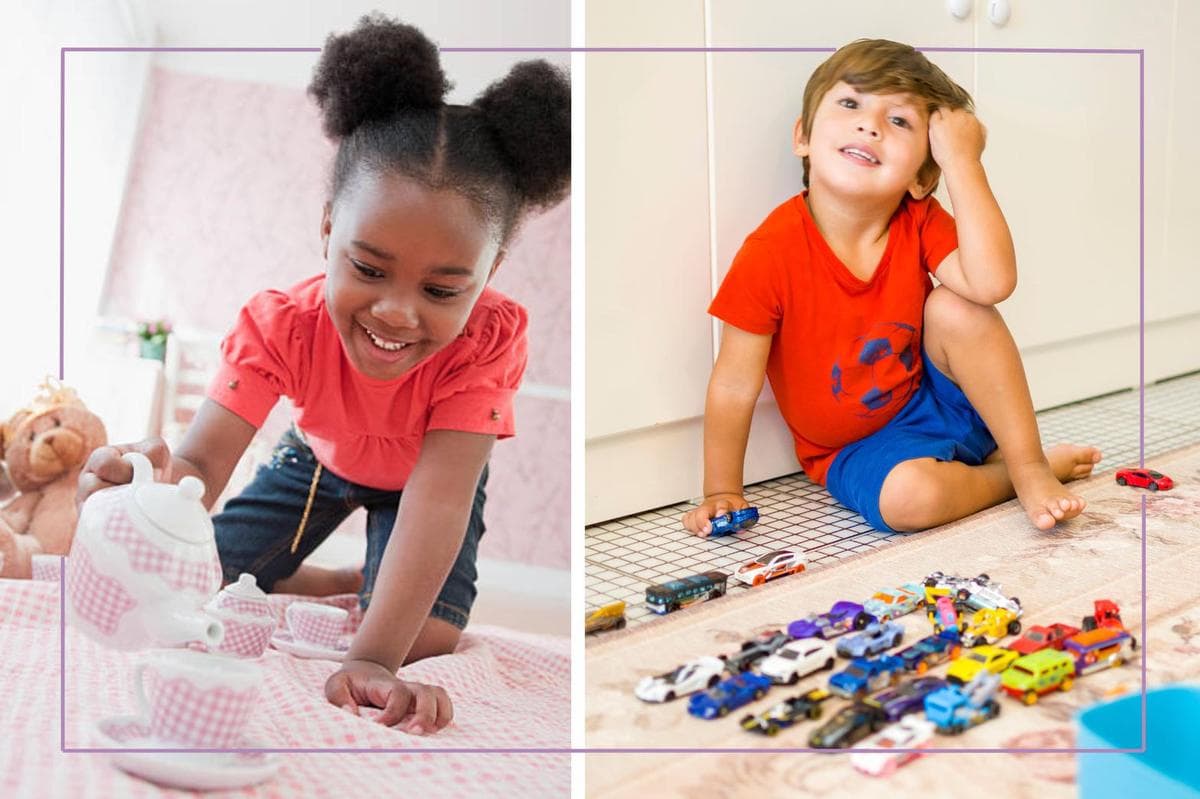
Figure 1. Two photographs show children with a tea set and toy vehicles. A photograph captures an activity, not the full range of a child's interests.
One child spends the morning arranging toy cars. Another turns a cardboard box into a home for a doll. Adults can be quick to read those choices as evidence of what boys or girls are like. Research does find average differences in some childhood interests and skills. The useful question is what those findings can tell us about the particular child in the room, and where their meaning ends.
Sign in or create a free account
A free reader account lets you read two articles a day, save pieces for later, and join the conversation.