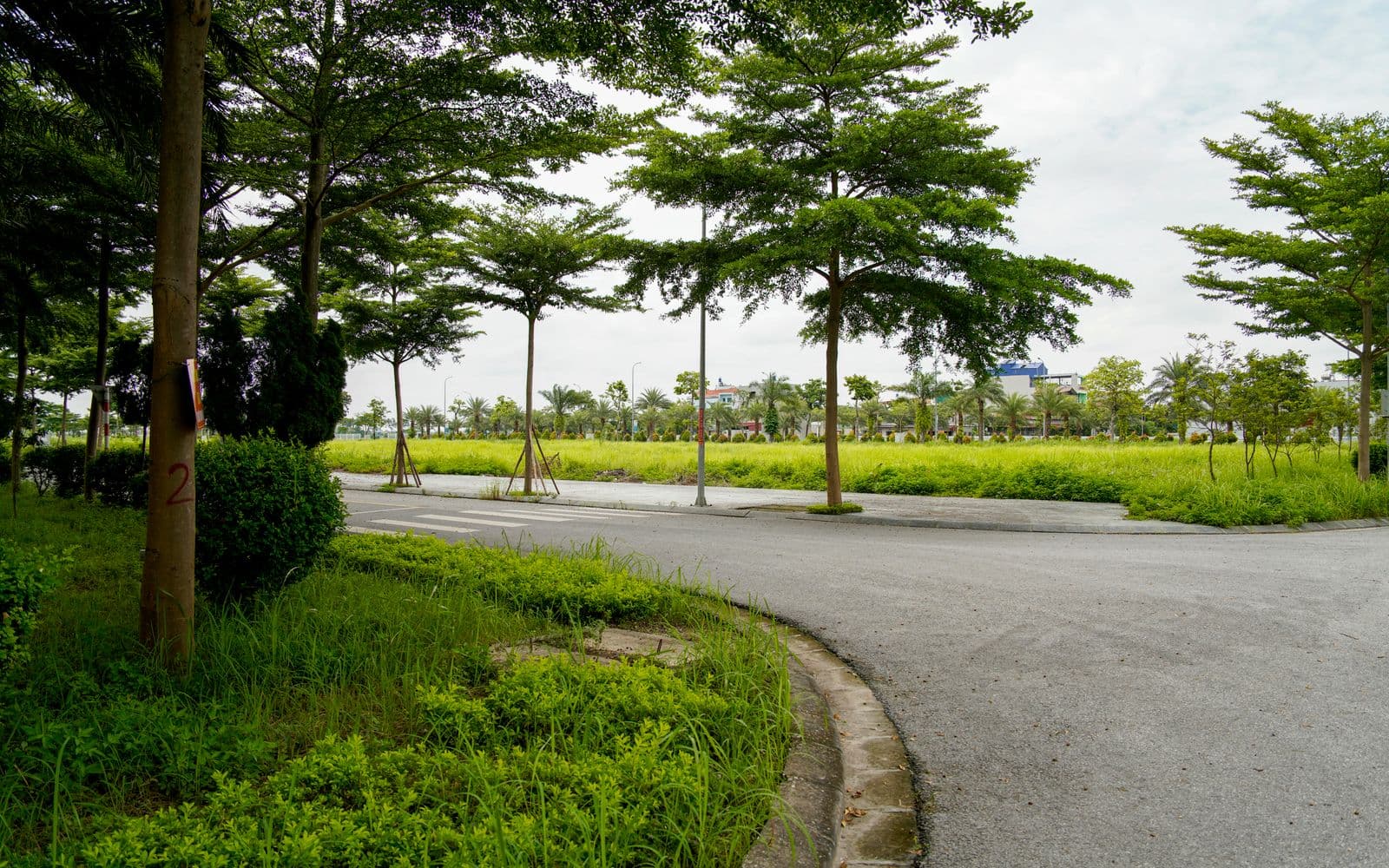
Municipal elections rarely get the attention federal ones do, yet they may affect your daily life more visibly than any other vote. The road outside your home, the park your child plays in, the zoning rules that decide what gets built next door, the library you borrow from, the bus route you depend on, the property taxes you pay — these are shaped at city hall. Low attention, high impact: that’s the municipal paradox.
City hall may not be loud, but it’s the level of government you can see from your window.
Fact-check
Municipal powers here follow the constitutional principle that municipalities are created by the provinces and exercise delegated powers (Constitution Act, 1867, s. 92(8)), consistent with our “Who Controls What?” guide.[1] Exact roles and ballot structure vary by municipality.
What’s on a municipal ballot
Depending on where you live, you may be electing a mayor, councillors, regional directors, school trustees, park-board members, and sometimes answering local referendum questions all on the same ballot. Cities run their own elections under provincial rules, so the exact mix differs from place to place.[2]
Who does what
The mayor
- Leads council
- Represents the city publicly
- Helps set the agenda
- Has influence — but usually one vote, not unlimited power
Councillors
- Vote on local bylaws
- Approve the city budget
- Make zoning & planning decisions
- Represent neighbourhood concerns
- Set local service priorities
What issues are municipal?
How to judge municipal candidates
Local races are often less about party and more about competence. Ask: do they understand the neighbourhood? Can they explain budget trade-offs? Do they have an actual position on housing and zoning? Do they grasp how local services work? Are they practical, or only angry? And — because council is a team — can they work with others to get anything done?
Keep this
At the federal level the party engine is loud. In a municipal election, the local steering wheel matters more — judge the person, their plan, and their practical competence.
Don’t skip the smallest ballot. Use the scorecard below to compare council candidates on the things that actually reach your street.
References
- Government of Canada, “The constitutional distribution of legislative powers” — municipalities as provincial creations. canada.ca. Accessed June 2026.
- Consult your municipality and provincial election authority for ballot structure, ward boundaries, and dates. Accessed June 2026.
This guide is for general civic education only and is strictly non-partisan. Municipal structures and ballots vary widely; confirm details with your local government and provincial election authority before you vote.


Comments