Your First Vote hub
Return to the full non-partisan guide hub for the complete route, sibling explainers, and printable checklist.
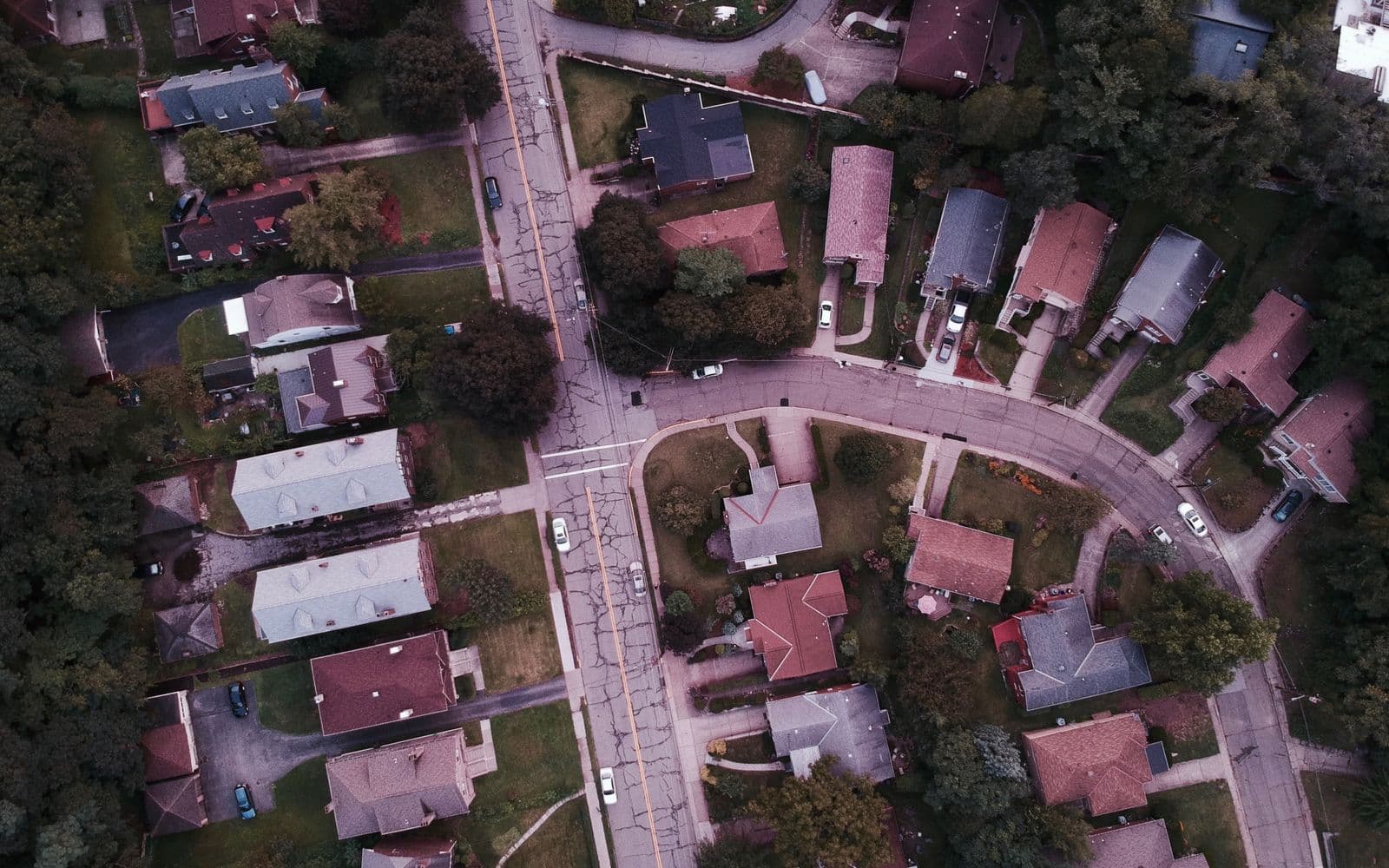
In Canada, you do not simply vote for a national leader. You vote in a place. That place is your riding, officially called an electoral district. Once you understand that, the ballot starts to make more sense.
A riding is a geographic area represented by one elected person. In a federal election, each federal riding elects one Member of Parliament to the House of Commons. In a provincial or territorial election, the same basic idea applies, though the elected person's title may be MLA, MPP, MNA, or another provincial title.
The short answer
Your riding decides which local candidates appear on your ballot and which elected representative speaks for your area. Federal riding boundaries were updated through the latest redistribution process, and Elections Canada says the new federal boundaries and districts are now in effect.
1. A riding turns a national election into a local ballot
Federal elections feel national because leaders debate on television, parties release national platforms, and the news talks about who may become prime minister. But when you stand at the polling station, the ballot is local. It lists candidates running in your riding.
That means you are choosing the person who may become your Member of Parliament. Their party matters. Their leader matters. Their local record can matter too. But the legal act on your ballot is local: one mark beside one candidate in your electoral district.
The ballot reframe
Do not ask only, "Which leader do I like?" Ask, "Who is running in my riding, what party are they attached to, and what would their election add to Parliament?"
2. Why ridings matter to the result
Canada's House of Commons is built riding by riding. A party does not win the country as one giant pool of votes. It wins seats. Each seat comes from a riding. After the election, the number of elected MPs from each party helps determine who can form government and who sits in opposition.
This is why national popularity and local outcomes can feel different. A party can earn a lot of votes in places where it loses narrowly, or win many seats by being efficient in particular regions. You do not need to master electoral math before voting, but you do need to know that your local contest is not decorative. It is one of the building blocks of the whole result.
| Thing you see | What it means | How to use it |
|---|---|---|
| Leader | Often the public face of the party and potential prime minister or premier. | Ask whether you trust their judgment, team, and priorities. |
| Party | The platform, caucus, voting record, and governing team behind the candidate. | Compare promises, costs, timelines, and responsibility. |
| Local candidate | The name on your ballot and the person who may represent your riding. | Check biography, accessibility, local work, and whether they answer real questions. |
3. How to find your riding
The fastest way in a federal election is Elections Canada's Voter Information Service. Enter your address, and it can show your electoral district and voting information during an election. Elections Canada also publishes maps and lists of Canada's federal electoral districts.
If you recently moved, use the address where you live now. If you are unsure about a student address, temporary housing, or travel situation, check the official rules or call Elections Canada. Do not guess from a social-media map or an old campaign sign. Boundaries change, and so do names.
Riding check
- Look up your riding using your current address.
- Write down the riding name, not just the city name.
- Check which candidates are running in that riding.
- Confirm your polling place, because nearby homes can sometimes vote at different locations.
4. Boundaries change because population changes
Electoral districts are not frozen forever. Canada's Constitution requires federal electoral districts to be reviewed after each 10-year census to reflect population changes and movement. The latest federal redistribution process began in 2022 and ended in 2023, and Elections Canada says the new boundaries and districts came into effect with the 45th general election.
For voters, the practical lesson is simple: do not rely on what your riding was years ago. If you moved, if your city grew, or if your neighbourhood was near an old boundary, check again.
Common confusion
A riding is not always the same as your city, municipality, neighbourhood, postal code, or school district. Those boundaries can overlap without matching.
5. Why your MP matters after election day
Your riding's winner becomes a representative for the area, including people who did not vote for them. Federally, that person may sit as a government MP, opposition MP, cabinet minister, critic, committee member, backbencher, or independent. They may help constituents navigate federal programs, raise local issues, and vote on legislation.
This does not mean you must agree with every local position before you vote. It means the local candidate is not just a symbol for a national party. They are the person who may answer your emails, show up at community events, speak in the House, and vote in Parliament.
6. The simplest way to think about it
Your riding is your democratic address. It is the bridge between your street and the national result. The leader may explain the campaign. The party may explain the platform. But your riding explains why the ballot in your hand has the names it has.
Once you know your riding, the rest of election research gets smaller. You can stop trying to understand every candidate in the country and focus on the few people who are actually asking for your vote.
Official resources to check before you act
- Your First Vote in Canada hubThe master index for the non-partisan civic guide series.
- Elections CanadaFederal voting rules, registration, ID, voting options, and voter information.
- Elections Canada Voter Information ServiceFind your federal electoral district and voter information by address.
- Canada's federal electoral districtsOfficial list and maps for current federal electoral districts.
- House of Commons member searchFind current Members of Parliament and riding information.
- Your provincial, territorial, or municipal election officeFederal rules are not always the same as provincial, territorial, municipal, or school-board rules. Check the official local site for the election you are voting in.
References
- Elections Canada, Canada's Federal Electoral Districts, current federal district list, maps, and Voter Information Service link.
- Elections Canada, Redistribution of Federal Electoral Districts 2022, redistribution process and effective date for new boundaries.
- House of Commons of Canada, Members of Parliament, official MP and riding search.
This guide is non-partisan civic education, not legal advice and not an endorsement of any party, leader, candidate, or campaign. Election rules, dates, voting locations, and ID requirements can change and can differ by election level. Before you act, confirm details with Elections Canada and the official election authority running your specific election.


Comments