Skip to content
← Back to all writing
Before SevenView series

Article 13 · 35-part series planned · Part III · Body and systems

Senses before seven: seeing, hearing, touch and the edited world

9 min readBeginner level

How children learn through sight, hearing, touch and movement, with practical ways to support them and signs that need prompt assessment.

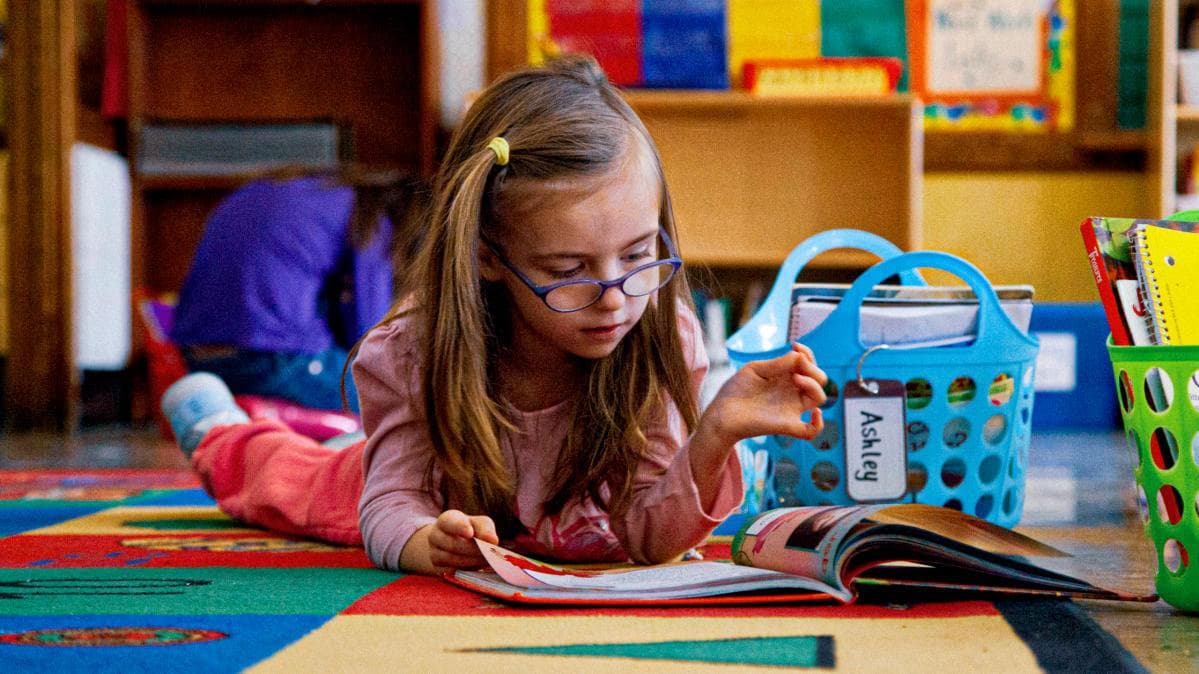
A young girl in purple glasses lies on a bright classroom rug, turning the pages of a picture book.
Figure 1. Glasses can help a child see clearly and may be part of treatment for amblyopia. An eye examination determines what is needed.

A baby turns towards a familiar voice. A toddler pulls off an uncomfortable sock. A preschooler moves closer to a picture book. Seeing, hearing, touch, taste and smell shape everyday experiences, but these observations do not all mean the same thing. The useful questions are what the child notices, what makes participation difficult and whether anything has changed.

Sign in or create a free account

A free reader account lets you read two articles a day, save pieces for later, and join the conversation.
Continue with a free account

Free account · no credit card · or go unlimited for CAD $20/month. JavaScript off? The button opens the standard sign-in page.

Auto-renews monthly · Plus applicable taxes