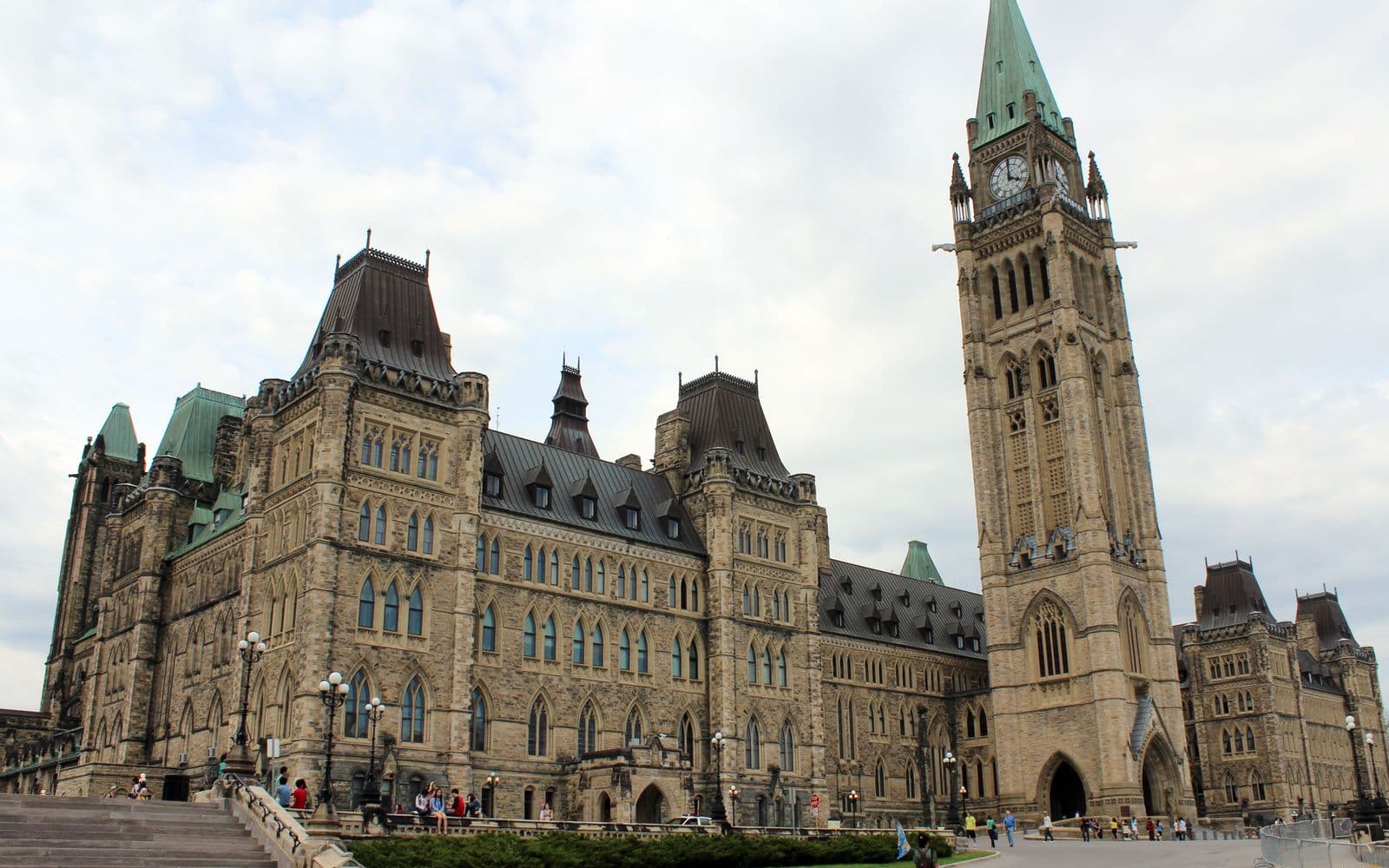
Federal elections can look like a contest between party leaders — their faces fill the ads and debates. But inside the voting booth, you usually choose a local candidate in your riding. That single local result becomes one piece of the national picture, and the national picture decides who governs the country. Understanding how your one mark turns into a government is the key to voting federally with confidence.
Fact-check
Verified against Elections Canada and the House of Commons in June 2026. You elect a local MP; the party able to hold the confidence of the House of Commons forms government, and its leader normally becomes Prime Minister.
What a federal election chooses
A federal election fills the seats in the House of Commons. Each of Canada’s 343 ridings elects one Member of Parliament (MP).[1] Add up which party won the most seats, and you can usually see who will govern.
What an MP does
Your MP represents your riding in Ottawa. They vote on federal laws, study issues in committees, raise concerns from your community, and often help residents navigate federal services and programs.[2] The leader sets the national tone; the MP is the person who actually carries your area’s voice into Parliament.
Do you vote directly for Prime Minister?
Keep this
No. There is no national ballot for Prime Minister. You elect your local MP. The leader whose party can hold the confidence of the House of Commons normally becomes Prime Minister.[3]
This is why a party can sometimes form government without winning the most votes nationwide — what matters is seats in the House and the ability to command its support. (We unpack majority, minority, and confidence fully in a later article in this series.)
What issues are federal?
Federal government handles country-wide and international matters. Keep your eye on these when judging a federal campaign:
What to compare in a federal election
Bring the tools from the first part of this series to bear. Weigh your local MP candidate, the party platform, the party leader, the party’s national record, your local priorities, and the specific federal-level promises that touch your top three issues. A federal vote is the one place all three lenses — candidate, party, leader — carry real weight at once.
That’s the federal picture: one local mark, a national result, and a government built from 343 seats. Use the comparison sheet below to line up your riding’s candidates against your federal issues.
References
- Elections Canada, “Canada’s political system” and seats in the House of Commons (343 districts). elections.ca. Accessed June 2026.
- House of Commons of Canada, members’ roles and responsibilities. ourcommons.ca. Accessed June 2026.
- Library of Parliament / House of Commons, on government formation and confidence of the House. lop.parl.ca. Accessed June 2026.
This guide is for general civic education only and is strictly non-partisan. Federal rules and processes can change; confirm current details with Elections Canada before you vote.


Comments