Two Months in an Unfinished House
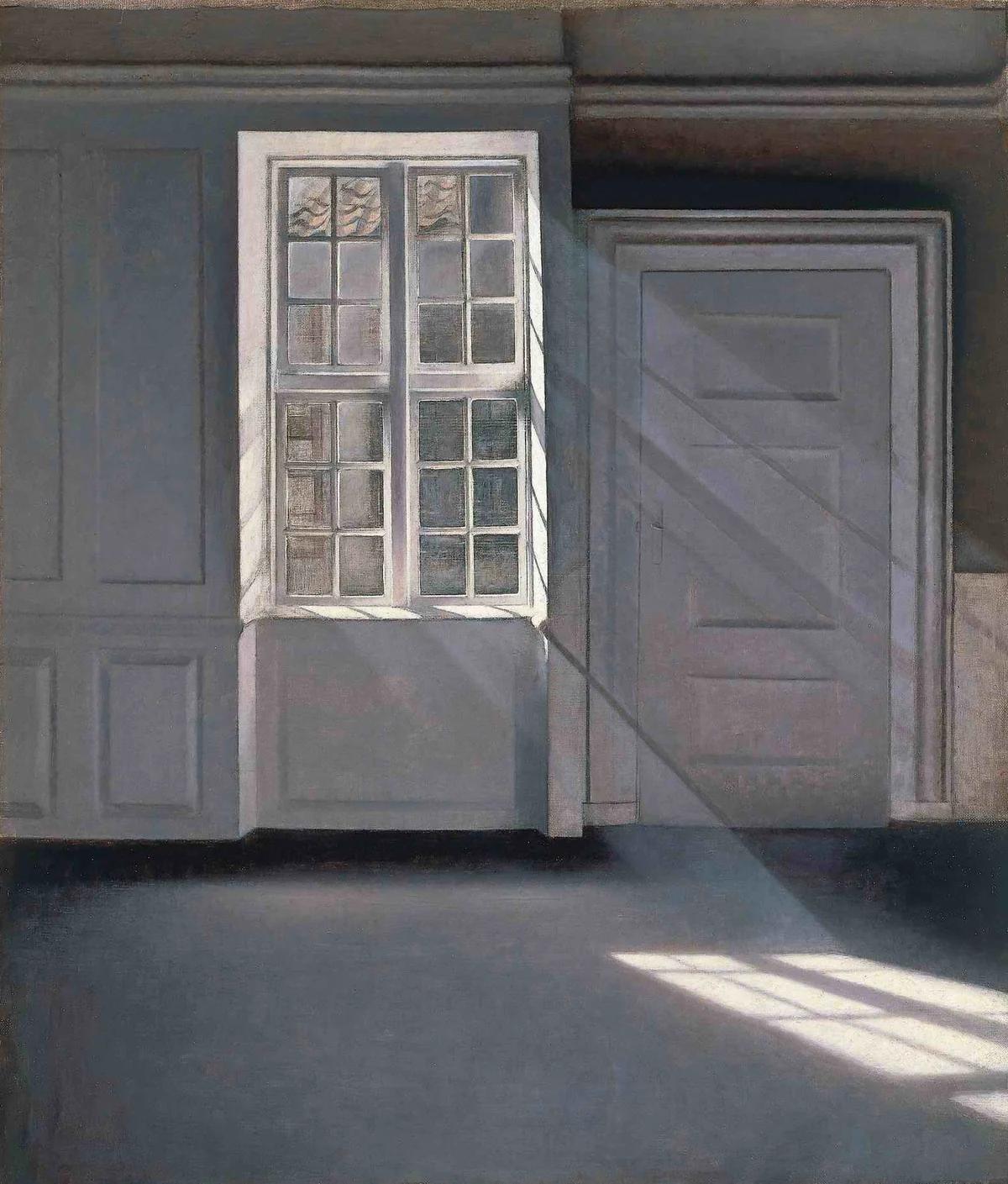
In 2025, I bought my first house. Before my family could move in, it needed renovations. I had already spent what money I had on buying it, so I decided to do the work myself.
My background was in civil engineering, but I had never done anything like this. Knowing about construction and standing in your own house trying to work out how to lay flooring are different kinds of experience.
There was painting to do, flooring to install, tools to learn how to use. I painted the wrong wall. I made ordinary mistakes that took time and effort to correct. Work that seemed straightforward before I started became more complicated once I was doing it.
For about two months, I spent almost twelve hours a day working in the house. My family was in Victoria, and I was there mostly alone.
Those days gave me a great deal of time to talk to myself.
I thought about the work in front of me. I also thought about the years since I had arrived in Canada, the jobs I had done, and a company I had started but had struggled to give myself fully to.
Somewhere in the middle of renovating a house, I began to understand something about the life I wanted to build.
After arriving in Canada, I did my postdoctoral research and then moved through different jobs. Each one brought important lessons. I met wonderful people, encountered different ways of working, and learned things I could not have learned by staying in one place.
I approached each job as an adventure. I wanted to experience it fully: to understand how things worked, discover what was possible, and see how far I could go.
The closest comparison I can make is to a game. Some people enjoy completing a stage and moving to the next one. I wanted to explore the stage thoroughly. I wanted to follow the paths, look into the corners, understand its possibilities, and reach its end knowing I had experienced everything I could.
That was how I approached work.
Over time, though, I began to feel that each adventure could only go so far. Every role had its responsibilities and its boundaries. There was a point beyond which I could not keep exploring in the way I wanted.
I valued what those experiences gave me. At the same time, I kept wondering where I could put this desire to follow something further.
An unexpected experience in Canada’s business ecosystem opened up another possibility. I began to see what it could mean to build a system that served communities, people, and life more broadly.
Until then, I had seen myself mainly as a researcher. Starting a business had never been part of the future I imagined.
Now it was a possibility I kept returning to.
I started a company in 2022. Taking that step gave the idea a form, but it did not settle all the questions around it. Giving myself fully to the company was difficult. For about three years, I carried those thoughts with me: what I wanted to create, how I could pursue it, and whether I could manage the unfamiliar work it would require.
Then came the house.
Renovating demanded a kind of attention that was immediate and practical. Each day, there was something in front of me that needed doing.
I would run into a problem, think about it, make a plan, and try to carry it out. Sometimes it worked. Sometimes I discovered that I had misunderstood something or made a mistake. Then I had to work out how to fix it.
Even painting the wrong wall required a response. I could be frustrated with myself, but the work was still there. I had to return to it.
Learning to use tools took patience. So did doing unfamiliar tasks while accepting that I would be slower at them than someone with experience. I had to keep adjusting my expectations to the reality of what I could accomplish.
The resilience it took was very ordinary. It was in correcting something I thought I had finished. It was in coming back the next day and carrying on. It was in working through another problem when I had already spent hours dealing with the previous one.
As the days passed, I could see the results of that effort.
The house was gradually becoming ready for us.
That visible progress mattered. A task that had been unfamiliar became something I had done. A mistake became something I had corrected. Each completed piece of work gave me a small, practical reason to trust myself with the next one.
During the long hours alone, I began connecting that experience to the company.
Building a business would also bring problems I had never encountered. It would require me to think, plan, act, and revise. There would be mistakes to acknowledge and work to redo. Some days would demand more patience than I expected.
In the house, I was already practising that process.
I had spent years working through questions in research and learning through different jobs. Renovating gave me another way to understand my own abilities.
There was a particular satisfaction in seeing something through from uncertainty to completion. I had begun with work I did not fully know how to do. Over two months, I learned enough to do it, dealt with the mistakes along the way, and kept going until it was finished.
When the renovations were complete, I felt a confidence that had been difficult to find before.
That confidence came from experience. I could look at the finished work and remember the problems inside it: the things I had struggled with, the decisions I had reconsidered, the errors I had repaired.
I had evidence that I could work through unfamiliar territory.
The questions about my company and my future still needed answers. Finishing the house did not make those decisions simple. It changed what I brought to them.
I could approach the next challenge with the memory of having faced something difficult before. I could recognize that uncertainty at the beginning did not tell me how the whole experience would end.
There is one more thing those two months gave me.
It was February and March, and it was cold. I worked alone, in complete silence, talking to myself in my mind.
In that silence, I met several storms of my life.
They were challenges, hardships, and adversities I had dealt with and emerged from, and I had never gone back to think about them. Writing my first research paper. Landing in Canada, a new country, in January 2020, and the COVID lockdown starting in the middle of that March. Switching careers. Dealing with illness.
It felt as if I was speaking to every storm. Or more like I was speaking to myself, the one who was in that storm, dealing with that specific challenge. That person had no education in how to handle a challenge or how to deal with problems. Most of what I learned from those storms, I had learned unconsciously.
I realized that all of them were buried. I had buried each one without understanding it, and yet I had held on to it, as if I was destined to open this treasure box one day and consume all the insights it had to offer.
It was a very peaceful experience. If you are able to speak to your storms, it sucks all the volatility out of them.
During one of those deep, vulnerable moments, I felt that while my storms are personal, they hold insights that could help someone in a similar situation.
That was when I decided to build StormIt, a collective space where people can share their storms. The grass is not greener on the other side. I wanted a place where we could learn what colour the grass actually is.
Looking back, I see those two months as a turning point in a much longer story. The story began when I came to Canada and continued through research, different jobs, unexpected opportunities, and the decision to start a company.
Every stage gave me something. In that house, I began to understand how I might carry those experiences into work of my own.
I still want to explore things thoroughly. I still want to understand how systems work and what they could do for people. Building StormIt gives that curiosity a direction, along with responsibilities I am still learning to carry.
When I think about where some of my confidence came from, I return to those long days alone: learning to use a tool, getting something wrong, thinking it through, and trying again.
I bought the house because my family needed a home.
Making it ready helped me trust myself with what came next.
A personal story shared by StormIt's founder. This story is outside the competition and is not eligible for judging or awards.
Back to the wall →