Not From Here
From the Book of the Watchers to Giza, Rapa Nui and Göbekli Tepe, ancient astronaut claims are tested against the evidence. Quarry traces, experiments and Merer’s diary reveal human builders, with open questions kept in view.
33 matching pieces.
Reset allFrom the Book of the Watchers to Giza, Rapa Nui and Göbekli Tepe, ancient astronaut claims are tested against the evidence. Quarry traces, experiments and Merer’s diary reveal human builders, with open questions kept in view.
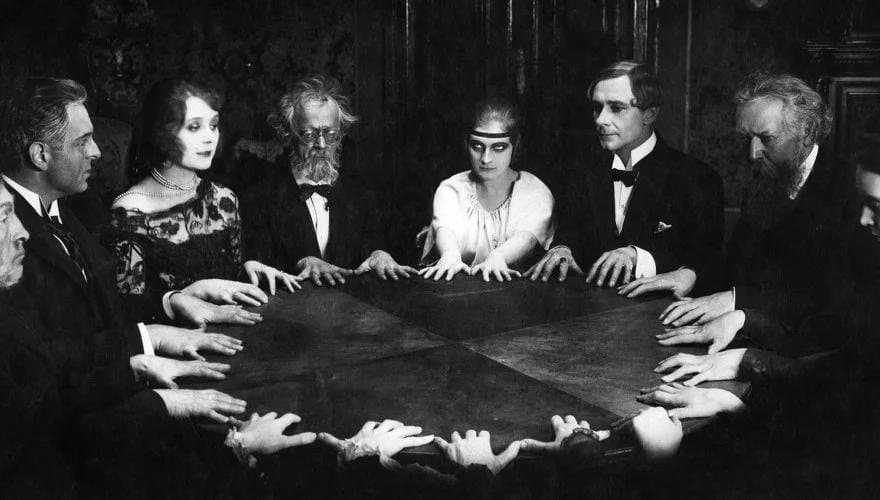
From the Fox sisters’ séances to Blavatsky’s hidden teachers and the Golden Dawn, three movements come into focus. Faraday’s experiments and disputed investigations separate evidence from belief, while tracing a legacy in ritual and art.
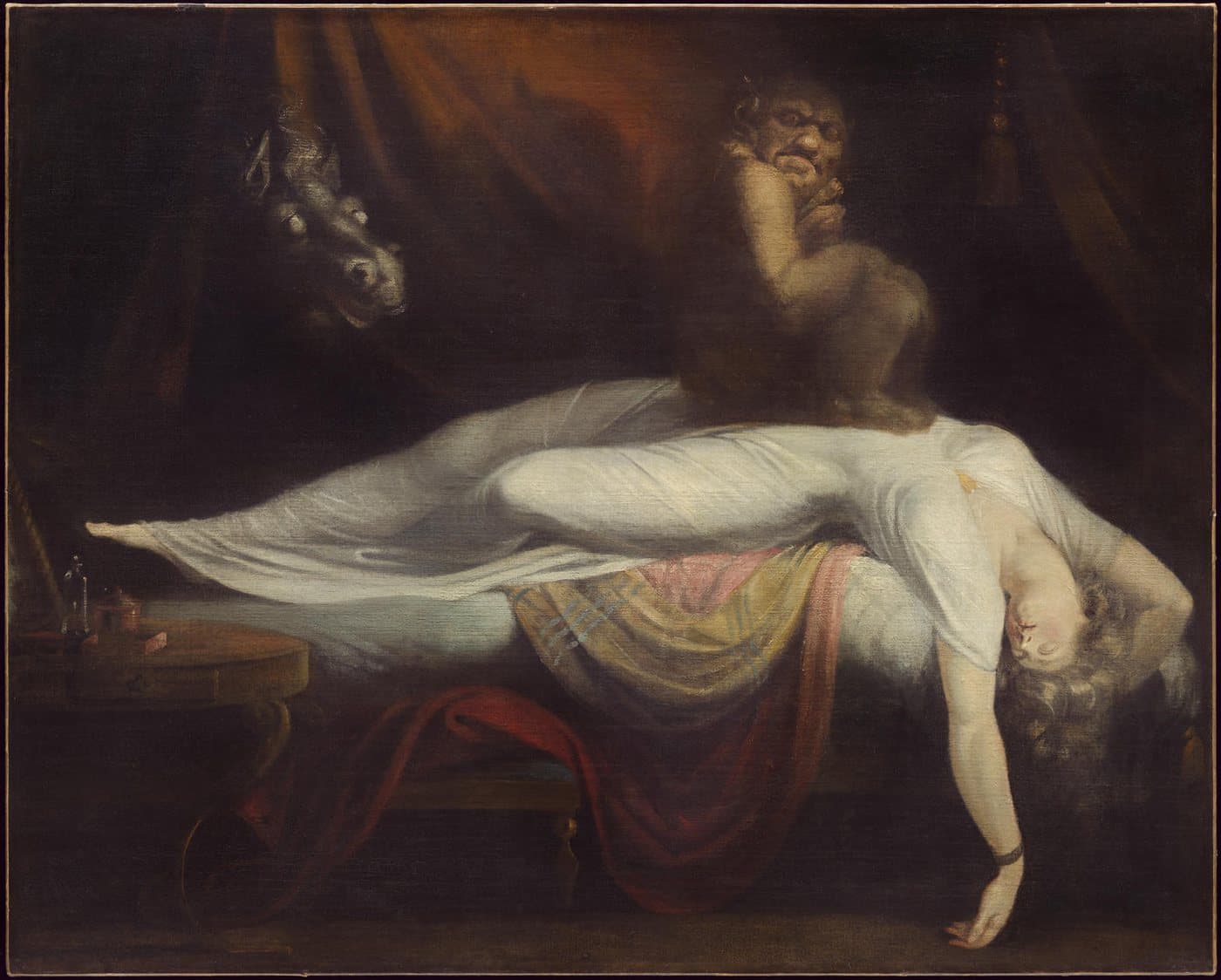
Sleep paralysis, the Old Hag and the Enfield case bring the haunted room into focus. Witness accounts, photographs and experiments need different tests: a vivid sense of presence is an experience, not an explanation on its own.
Children’s past-life reports, near-death experiences and déjà vu raise different questions about memory. Dated records and the AWARE studies make the claims examinable, while keeping the limits of each finding in view.
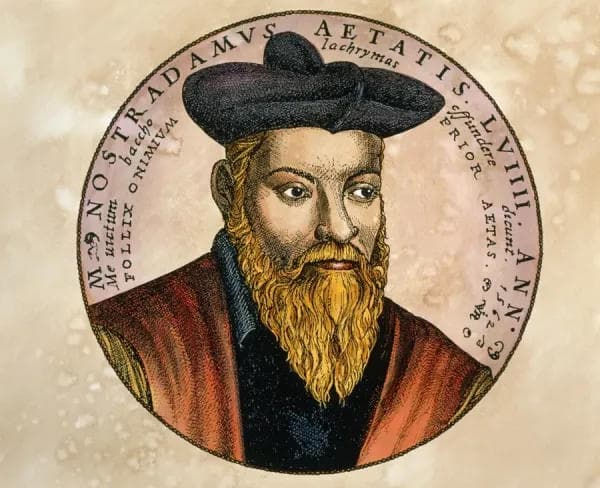
An old text is not automatically a prediction, and a precise calendar date is not a forecast. From Nostradamus to Maya calendars and Hindu yugas, dated interpretations help separate advance claims from hindsight and later retellings.
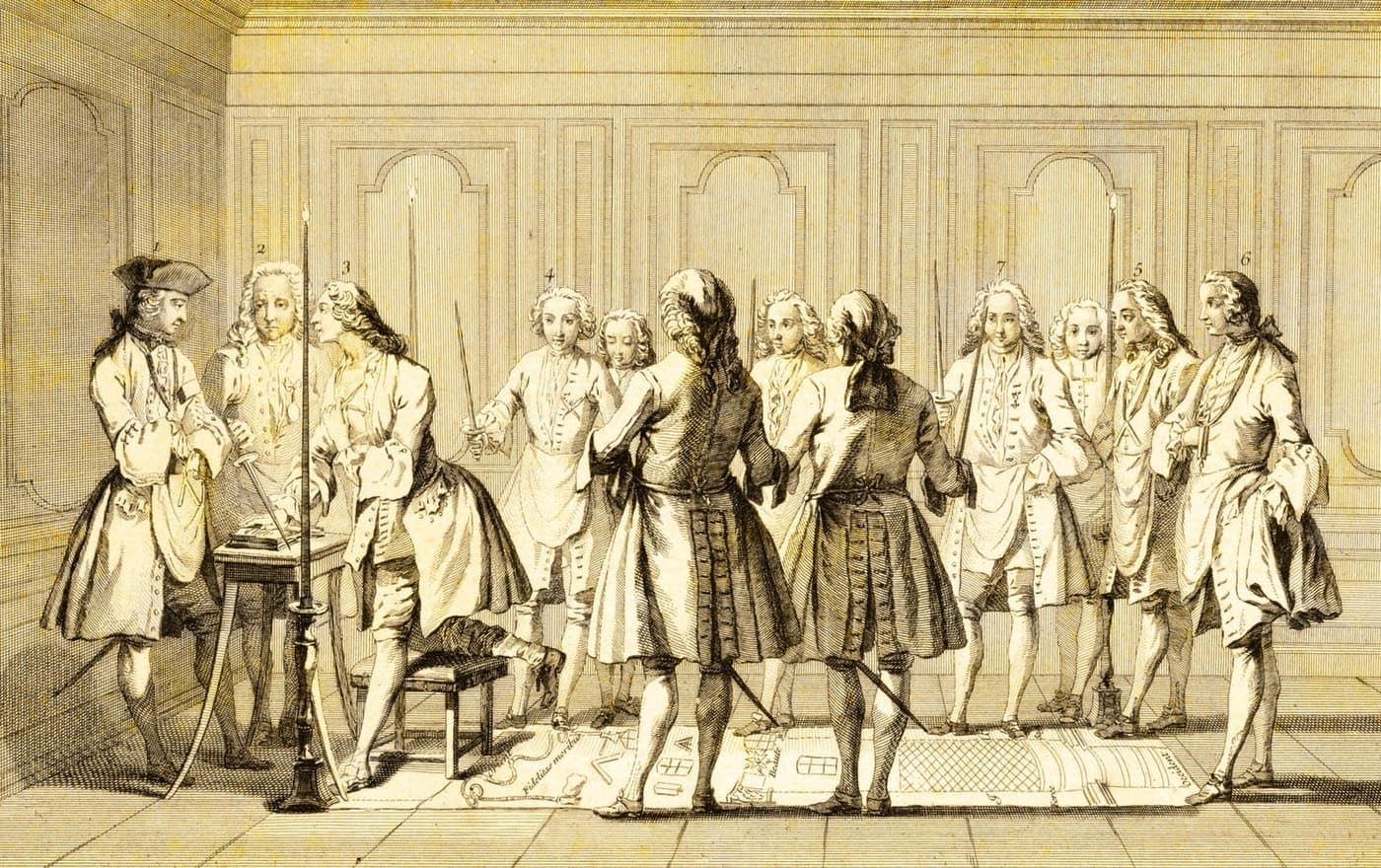
The Illuminati, Freemasonry and Italy’s P2 lodge have histories that can be traced through people and records. Real concealed influence needs evidence of specific actions, rather than symbols or a single theory of hidden power.
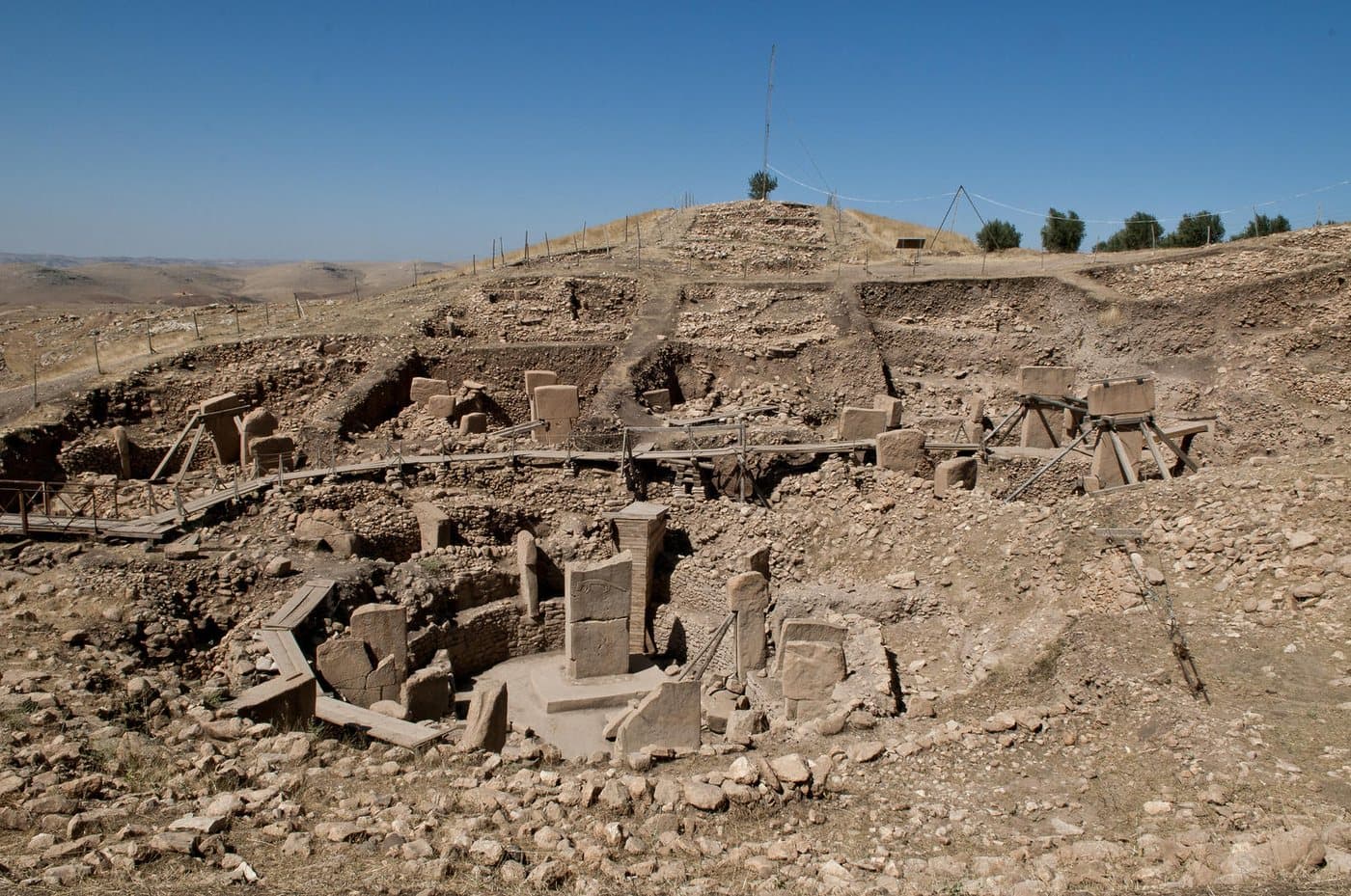
Atlantis and Lemuria tell different stories from the drowned landscape of Doggerland and the ruins at Göbekli Tepe. Texts, excavation and dating show what each can establish, without filling gaps with a vanished civilisation.
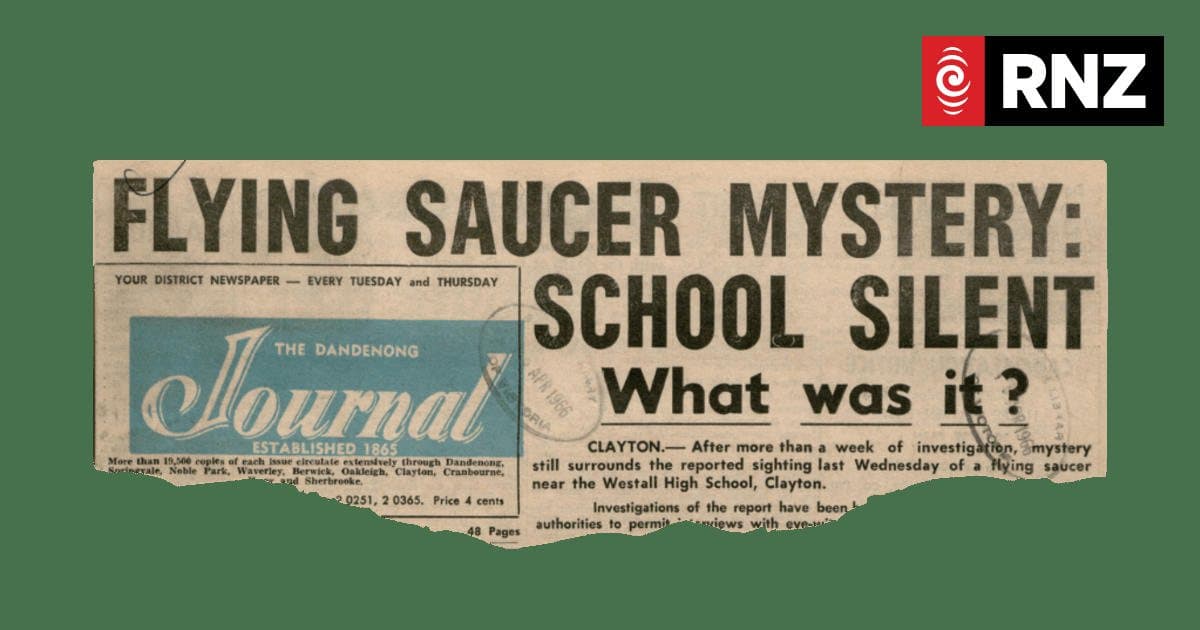
UFOs and UAPs in witness accounts and the public record.
In a single year, 1917, the oldest Russia the Eagle had ever known simply ceased to exist. From its opened ribs rose something new and red and sleepless, pledged to burn down everything America was. This is how the oldest friend became the newest nightmare.
February 1946: a feverish diplomat in a freezing Moscow embassy answered a bureaucratic question with five thousand words that would organize the next half-century. He did not invent the Cold War — he gave it a diagnosis, a name, and a single word: contain.
February 1945: three exhausted men met in a palace by the Black Sea to divide a world that was already divided. Yalta did not crack the future — it pulled back the cloth and revealed the crack the war had already made, running straight through the heart of Europe.
Britain begged the Bear for twenty thousand soldiers to crush the young republic. Catherine the Great said no — and armed the seas against the Crown instead. Not friendship, not enmity: usefulness without intimacy.